
Paper records can't prove when they were written
A clipboard hanging by the smokehouse has no chain of custody. An inspector cannot tell if that temperature was recorded at 2 p.m. or filled in the next morning. Paper invites doubt, and doubt invites a deeper audit.
of noncompliance records stem from documentation issues, not food safety failures.
spent pulling binders for one Food Safety Assessment, every single time.

How record locking works for the people who actually use it
You submit a record. The system stamps it with the exact second, seals it with your digital signature, and locks it. No one can go back and quietly change a number.
A line worker captures a temperature reading on the floor
A QA manager reviews and applies their digital signature
The record is cryptographically sealed and permanently locked
Five things your records need
An inspector does not want a story. They want a chain of custody that holds up under a Food Safety Assessment.
Every entry is fixed to the exact second it was recorded
The system captures the UTC timestamp automatically. No one sets the clock. No one writes it in by hand.
Digital signatures tie every record to a specific person
You assign signing authority by role. A line worker captures data. Only a QA manager can finalize and sign.
A complete version history shows what changed and why
Corrections are appended as new entries, never overwrites. The original record remains untouched and visible.
Tamper-evident logs prove no record was altered after submission
Any attempt to modify a locked record is logged and flagged. The system preserves the original data permanently.
Export audit packets by date range in seconds
Select a date range, click export, and hand the inspector a complete, signed packet. No binders, no photocopies.
Access logs show who viewed each record and when
Every view is logged. You know exactly who accessed a record, from an inspector to a corporate auditor.
What this means when FSIS walks through the door
The inspector asks for last Tuesday's pre-op logs. You export a signed, timestamped packet in under two minutes. The audit moves on.
No doubt
The inspector sees a cryptographically sealed record, not a clipboard with a smudge and a question mark.
No delay
You pull records by date range instead of digging through three-ring binders in a back office.
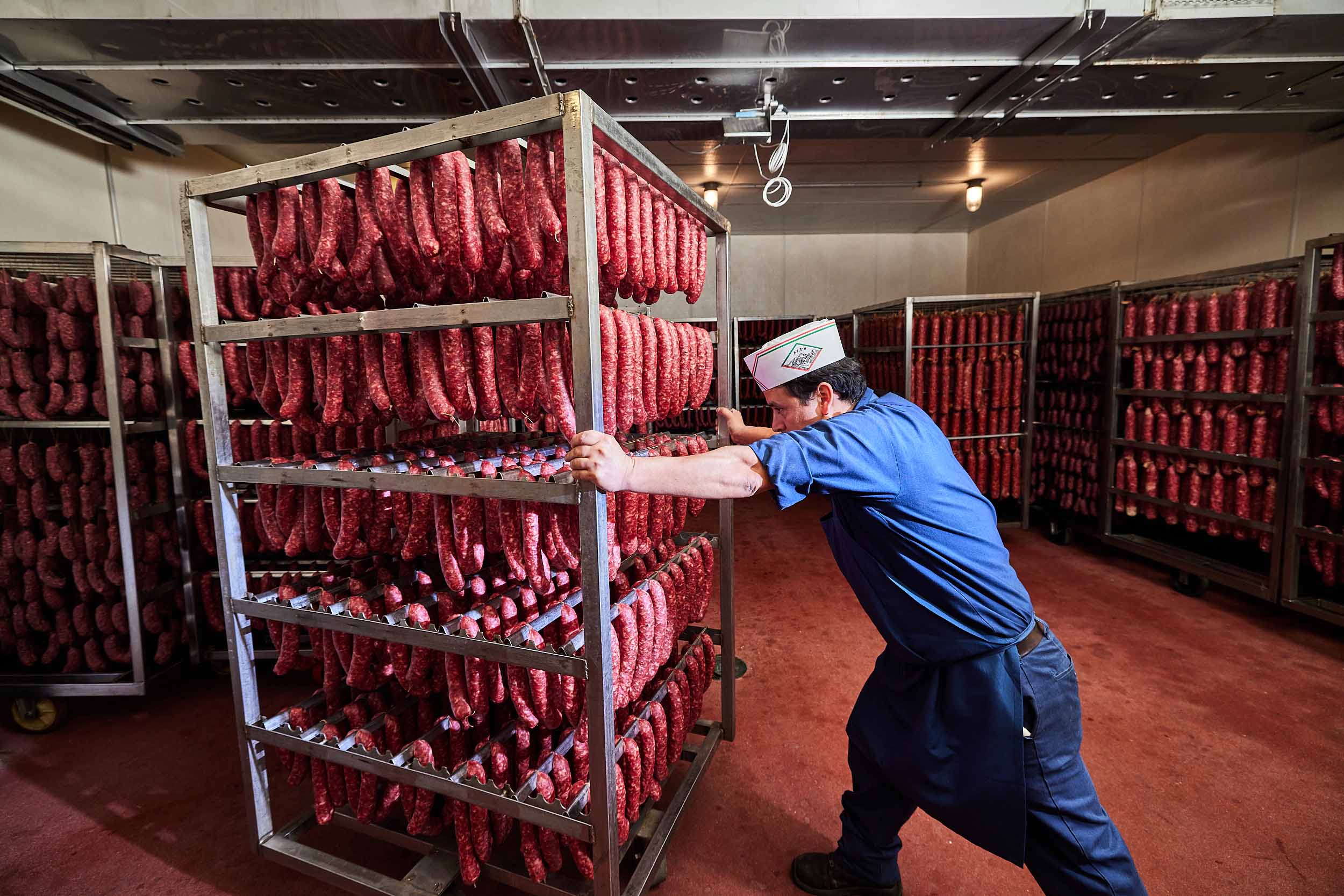
"We had 14 CCPs across three HACCP plans. I was dreading the data entry. I uploaded the PDFs on a Monday morning and my QA team was signing digital records by 2 PM. I have never seen a software rollout happen that fast."

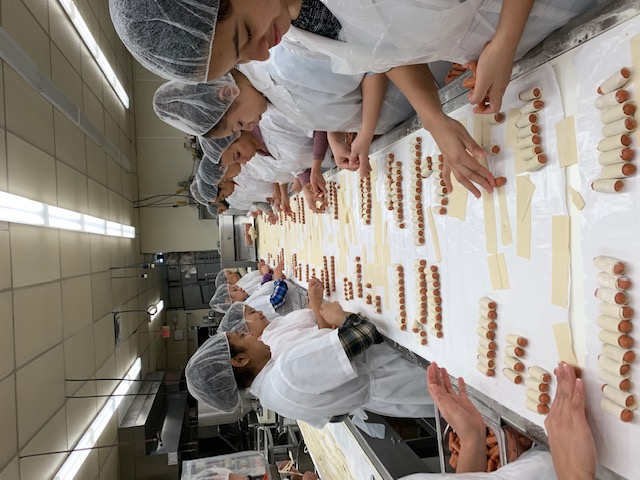
"I handed our three HACCP plans to the system on a Friday. By noon my team was signing digital records. No typing. No errors. Just the work we are supposed to be doing."

FAQs
Straight answers about how your records stay locked, signed, and inspection-ready.
Yes. Corrections are made as a new, appended entry. The original record is never overwritten. This creates a clear, defensible audit trail showing exactly what changed, when, and by whom.
Once submitted, the record is cryptographically signed and version-locked. No user, not even an administrator, can alter the original data. Every entry is permanently fixed with a timestamp and digital signature.
Any amendment appears as a separate entry linked to the original. An inspector sees the complete history, not a modified file. This proves you caught and fixed an error, rather than hiding it.
Yes. The system is built to meet FSIS directive 13,000.6 for electronic records. It provides the same chain-of-custody rigor an inspector expects from a properly maintained paper log, with far less effort.
You assign signing authority by role. A line worker can capture a temperature reading, but only a designated QA manager can review and apply their digital signature to finalize the record for an audit.
Still have questions?
Talk to a former USDA inspector about your plant's needs.